

.png)
In 2026, releasing and promoting music has never been easier, and getting people to notice has never been harder.
sEvery day, hundreds of thousands of songs arrive on streaming platforms. In addition, artists are competing not only with each other, but also with an endless stream of content across TikTok, Instagram, YouTube, and beyond. In this environment, great music can stay undiscovered.
Based on my personal experience at Universal Music, I’ve seen how successful campaigns are built, not just through budgets or star power, but through a series of fundamental principles that many take for granted.
This article isn’t meant to be a definitive guide to music marketing. Instead, think of it as a practical “Music Marketing 101”, a collection of personal knowledge meant for marketers and artists alike.
Before diving into promotion strategies, however, it’s worth starting with the fundamentals.
Before any marketing campaigns begin, we need to clearly establish and set up several things. The setup — meant to serve as a long-term foundation — can determine the direction and result of future marketing campaigns. Throughout the article, we will refer back to these items multiple times.
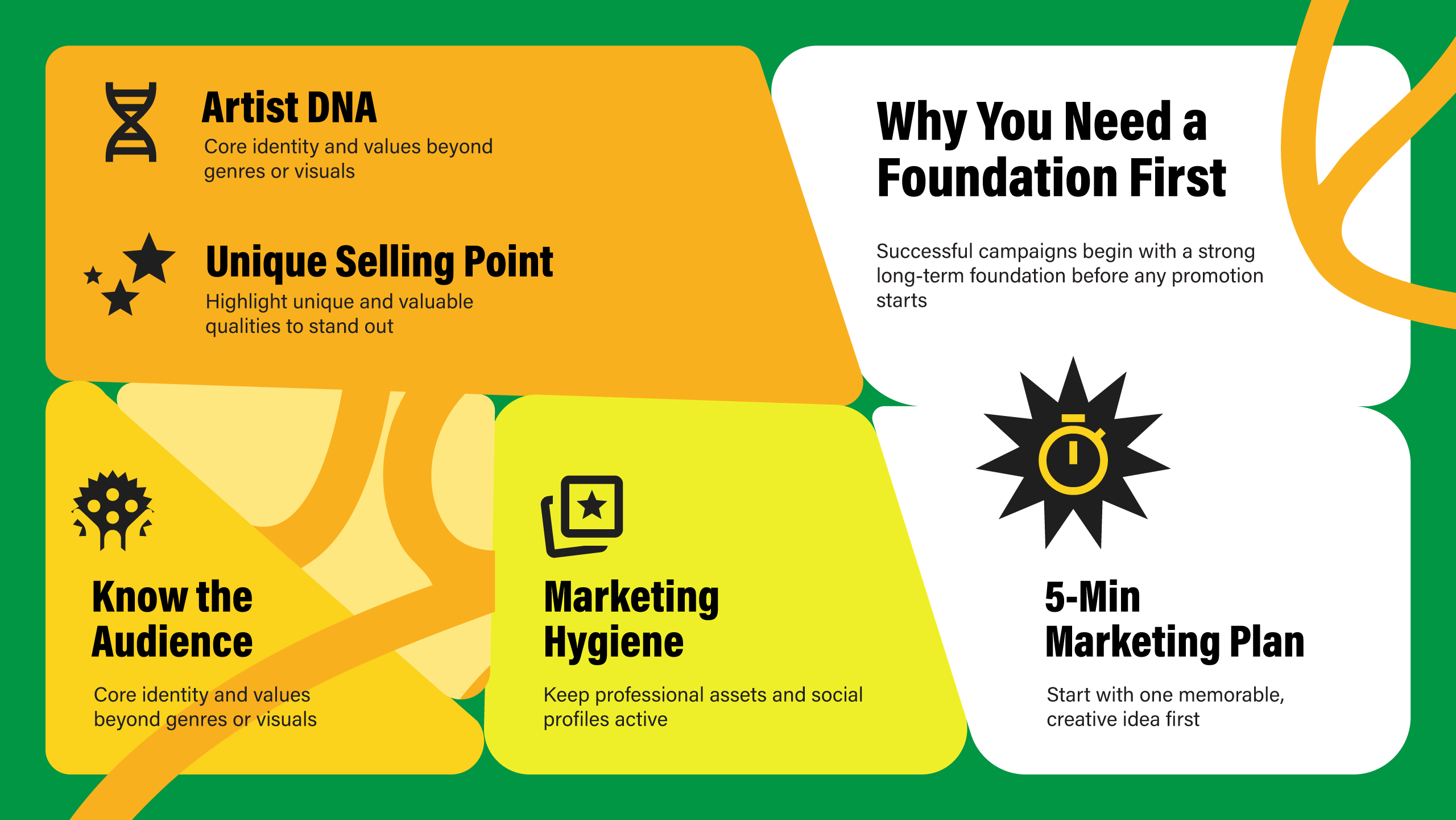
The first step is identifying the artist’s DNA.
Artist DNA isn’t about genre, sound, visual concept, or even aesthetic style. Those things evolve. Many artists reinvent themselves several times throughout their careers. Think of Childish Gambino’s transition from rap to funk/soul, or Post Malone’s shift to country songs.
Artist DNA goes deeper. It answers questions like:
Understanding this foundation is essential because it shapes everything else, from storytelling to branding to the kind of audience an artist targets. Naturally, as an artist develops and matures, their artist DNA might evolve as well.
While artist DNA is crafted internally — a direction shaped through discussions between the artist and their team or label as part of building a long-term brand — it can be observed. Through an artist’s music, lyrics, visuals, interviews, and overall persona, certain patterns begin to emerge.
Let’s take a few examples of how artist DNA manifests in real-life Indonesian artists.
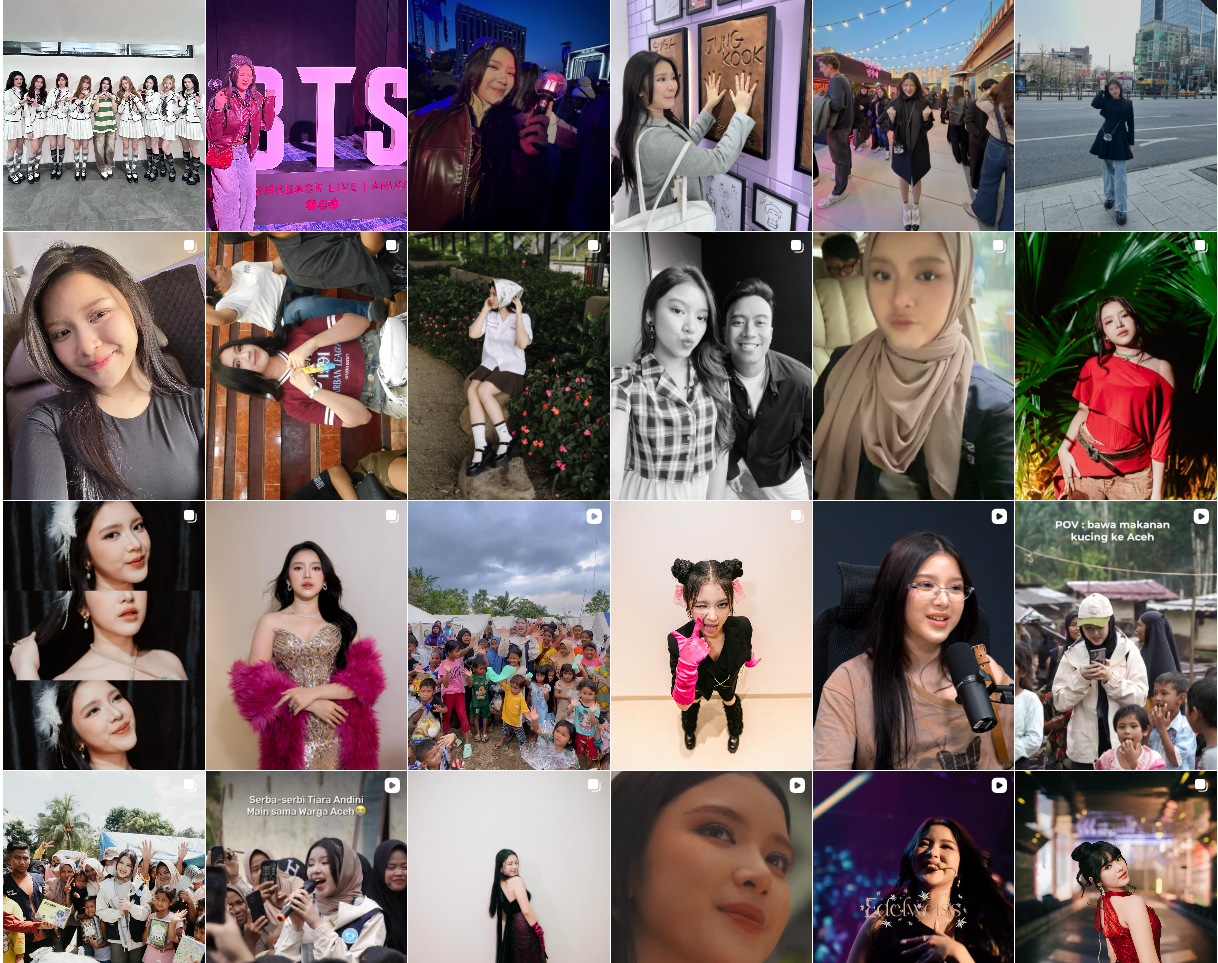
Tiara Andini leans toward a carefully balanced identity between a shining idol and emotional relatability. Her DNA revolves around themes of young love and personal growth, delivered through an extraordinary yet accessible persona. From an internal branding perspective, she embodies the “ideal young figure”, representing innocence and aspiration while remaining relatable enough for audiences to project their own experiences. This balance strongly resonates with younger audiences navigating similar life stages.
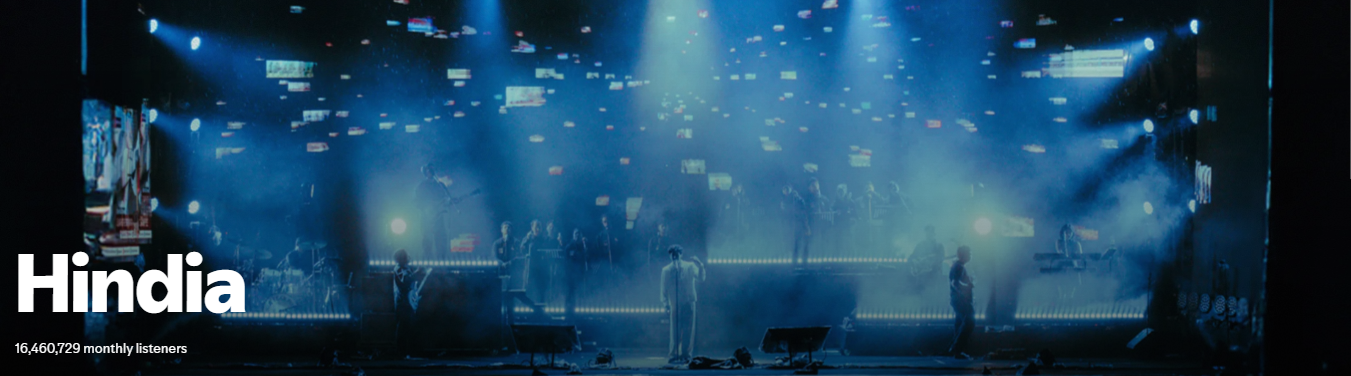
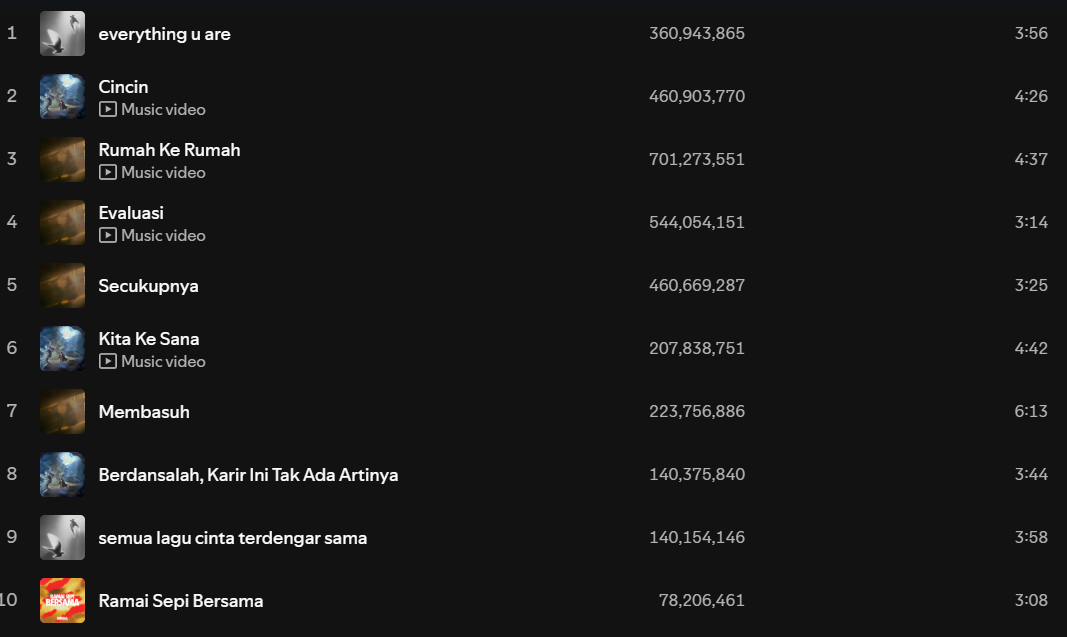
Hindia is a strong example of an artist whose DNA goes beyond genre. While often associated with alternative music, his core identity reflects an introspective and articulate voice of urban Indonesian youth. His artistry is grounded in life-based storytelling, elevated by self-awareness and social observation — often centered around middle-class realities, emotional anxiety, and the search for meaning, while holding on to a sense of cautious optimism. From a label perspective, this positions him as a “thinking voice” of a generation, whose music invites reflection and connection.
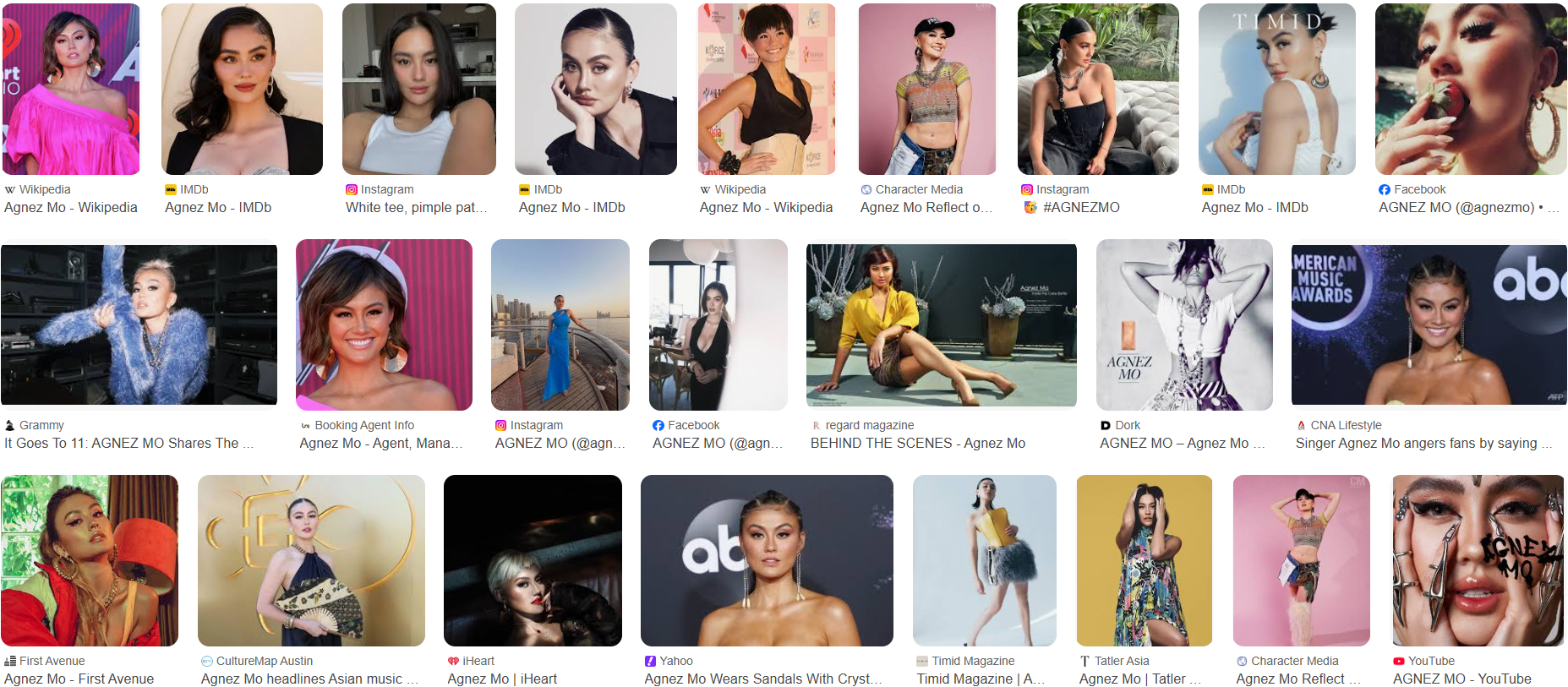
Agnez Mo reflects a DNA built around ambition, excellence, and global presence. Beyond elements of glamour and high-energy performance, her core DNA is an identity of progression and boundary-breaking. From a label standpoint, she is positioned as a symbol of local and international aspiration, an outward-looking artist representing discipline and the ability to cross cultural and geographic borders. Her brand consistently reinforces growth, reinvention, and performing at a global standard, setting her apart from more locally grounded or introspective acts.
These examples highlight a key point: artist DNA is not defined by genre, but by identity. It is the underlying narrative that remains consistent even as sound, visuals, and trends evolve.
From this identity emerges another critical element: the artist’s Unique Selling Point, or USP. In theory, the idea is simple. To stand out, you need to… stand out (duh). In practice, it’s much harder.
Many artists release well-produced music and present polished visuals. But in a crowded digital landscape, good quality only gets you to the starting line, the USP will let you win the race.
That USP must always come from the artist’s DNA. When it feels forced or manufactured, I believe the audience can sense it.
Personally, there are two questions I ask myself upon identifying one potential USP:
Unfortunately, there is no easy technique to determine this, as it varies case by case. If you’re a marketer, have a deep discussion with your artists. If you’re an artist, reflect on your qualities, what can you do that others cannot, and most importantly, what do you WANT to highlight about yourself.
Once the identity is clear, the next step is identifying the audience. Targeting the right audience goes far beyond basic demographics like age or gender. It requires understanding how listeners live and what shapes their daily lives.
Questions worth asking include:
And the ultimate question:
How would the artist appeal to this audience?
Without that clarity, it is difficult to determine the right strategies for a marketing campaign.
In this digital age, the power of social media and the internet for marketing is uncontestable. The next step is making sure we have the artists’ assets and social media properly prepared. At the most basic level, this includes:
All of these can be set up with minimal cost. They form the foundation of an artist’s presence, both online and offline. With these assets ready, we open the doors for potential collaborations; among artists, content creators, the media, promoters, or any other third parties.
For social media, here’s a practical tip: rather than trying to dominate every platform, it is usually more effective to prioritize one primary platform, while still posting on two or three secondary platforms (more if you have the resources).
Different audiences exist and engage on different platforms, so understanding where your audience spends time is crucial.
Short-form video content, for example, can often be shared across multiple platforms such as YouTube Shorts, Instagram Reels, and TikTok. However, each platform still carries its own culture and native behavior. The same content rarely performs equally well on different platforms
Of course, fully customized content for every platform requires resources many artists simply don’t have. In reality, most campaigns balance efficiency with optimization.
One technique I used when brainstorming campaigns is something we called the five-minute marketing plan.
The concept is straightforward: spend five minutes focusing entirely on the big idea behind the campaign.
During this time, avoid thinking about budgets, posting schedules, or tactical execution. Instead, adopt a “no template” mindset and focus purely on the concept.
Ask yourself:
This exercise isn’t meant to replace a full marketing plan. It’s simply a way to unlock creative thinking before moving into detailed execution. Realistically, of course, you need to consider timing and budget for the execution.
The point is: a strong campaign begins with one clear and memorable idea. Once that idea and key message has been established, the pieces will fall into place.
With the groundwork in place, the campaign itself can begin. While tactics may vary depending on the artist and market, several principles and perennial strategies tend to shape successful campaigns.
In today’s digital ecosystem, I believe artists are no longer just musicians, they are also content creators. Regular content helps artists stay visible between releases and maintain a connection with their audience.
The challenge is discovering a content niche; a format or style that resonates with viewers. What works on TikTok may differ from what works on Instagram or YouTube, and content trends shift daily.
Experimentation is part of the process.
However, once something works — once you find a format that performs exceptionally well (what we call “superhero” contents) — it’s wise to stay with it for a while rather than constantly reinventing the approach.
For independent artists, strong social media engagement can attract industry attention. Labels frequently monitor artists who demonstrate both strong audience following and meaningful engagement, as it hints on the artists’ intrinsic qualities that cannot be “developed”.
Let’s take a look at some standout examples of how artists approach content creation on different social media platforms.
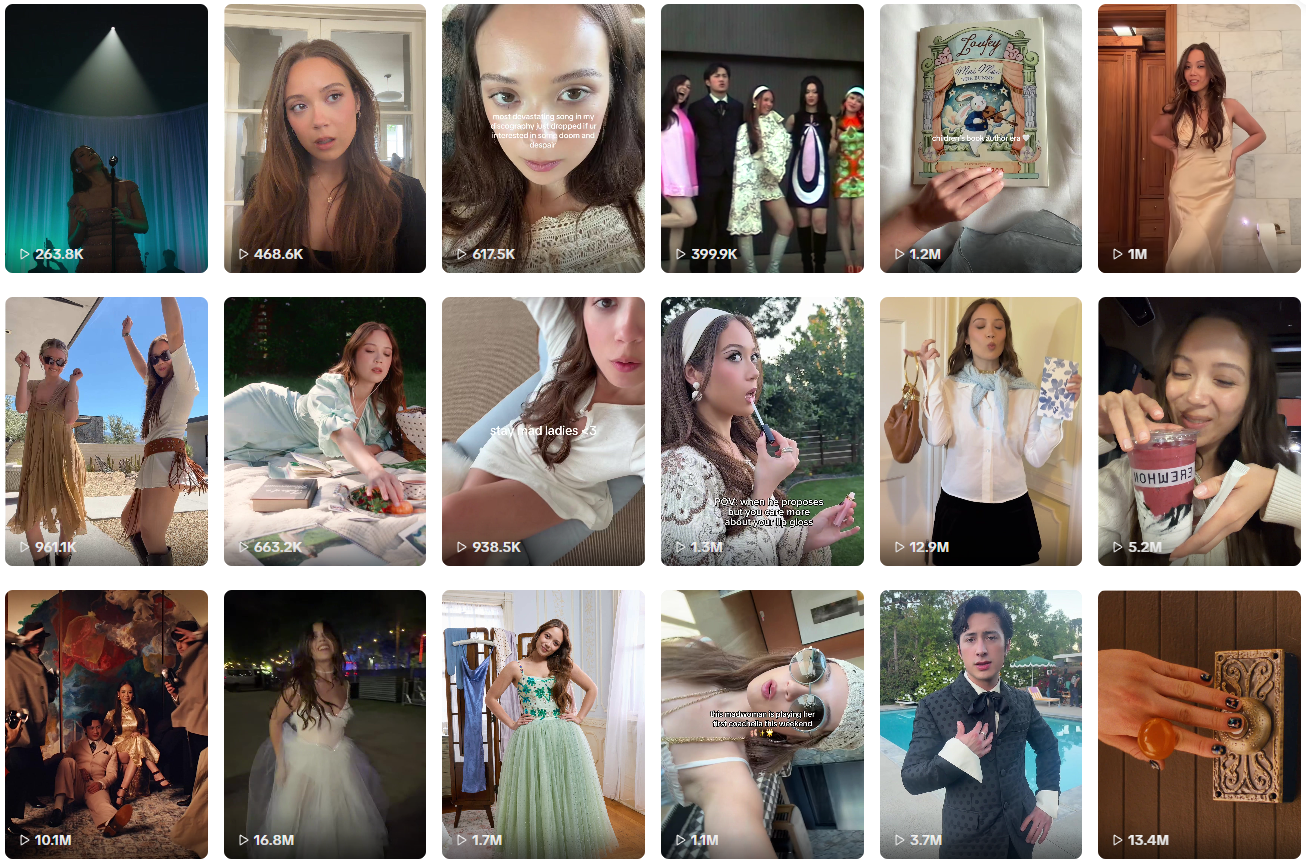
Laufey demonstrates a highly controlled, identity-driven approach. Her TikTok content is tightly aligned with her artistic world: soft, lighthearted, and centered around “girlhood” themes. This creates strong cohesion between her content and her music, effectively extending the listening experience into visual form. Most importantly, it doesn’t feel overly strategic; the tone remains natural and conversational, often interacting with other creators in ways that feel native to the platform. Considering Laufey’s years of experience as an avid content creator, it’s not unreasonable to assume her contents are all authentic ideas coming from herself.

bbno$ is another example of a platform-native, interaction-driven strategy. On X (formerly Twitter), his presence feels less like traditional promotion and more like participation. He actively engages with fans and content creators, which turns casual interactions into content. This creates a low barrier for engagement where fans can easily join in. From a marketing perspective, this builds a strong sense of community and constant visibility. The trade-off, especially since he is very keen on exploring and engaging with various fandoms, is that the brand leans chaotic and unstructured, which works for his persona but would be difficult to replicate for more strictly positioned artists.
Notice how both examples embody what we mentioned earlier. They constantly experiment with new forms of content, but stay within their specifically-crafted niche. When certain contents perform well, they repeatedly create similar contents. bbno$’s unique approach of turning interaction relates to our next topic: community.
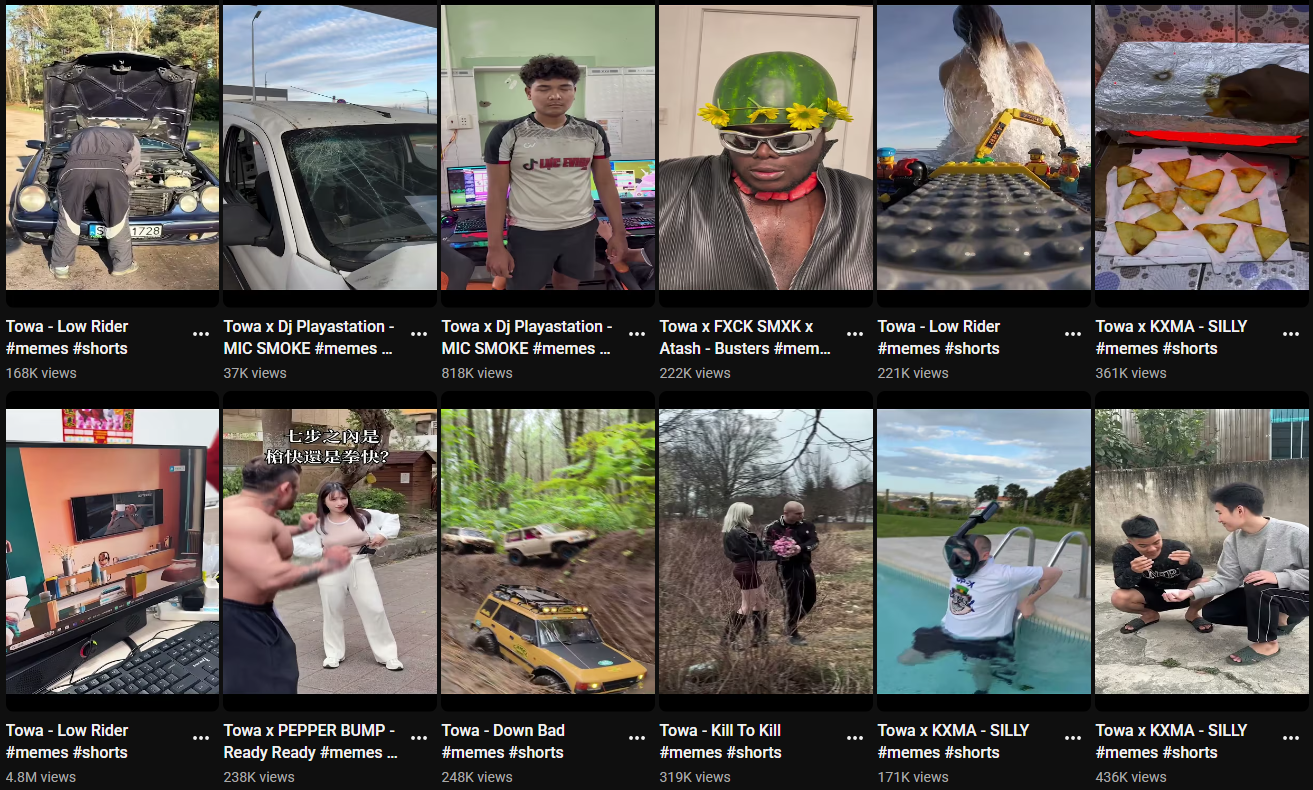
As unique cases, NXCRE and Mista Towa take a far more aggressive approach on YouTube Shorts. Their strategy prioritizes volume and proven engagement through the usage of memes and contents created by others. This is highly efficient for driving reach and constant visibility. However, it raises a critical question around conversion: high impressions do not always translate into long-term fans. Without a strong underlying identity and catalogue offering, this method builds awareness without long-term attachment. Not to mention it skirts around the issue of legality, creative commons attributions, and copyright. While it seems powerful, this strategy sits in a more experimental space compared to traditional brand-building approaches.
While content attracts audiences, community sustains them.
Fans are often the most powerful advocates an artist can have. They create their own content, share music organically, and introduce new listeners through word of mouth. A strong fan community is an invaluable asset for future campaigns, as artists can activate and engage with their fans for new releases, events, or special projects.
Maintaining that relationship requires genuine engagement. Fans want to feel acknowledged, appreciated, and included in the artist’s journey.
Interestingly, the reward fans often value most is simple: new music and authentic connection. If you’re a music fan, you know how exciting it feels when the artist you’ve passionately supported releases new music. Anything else the artist can do to maintain authentic engagement with the fans is a bonus.
Stray Kids and their fandom, STAY, exemplify a highly organized, action-driven digital community. Fans are extremely active online, consistently promoting the group’s achievements, coordinating hashtag campaigns, and amplifying content across platforms. Structured behaviors — such as scheduled posting events, fan rituals like “STAY Selca Day” — demonstrate a level of organization rarely seen outside of K-pop fandoms.
Examples:
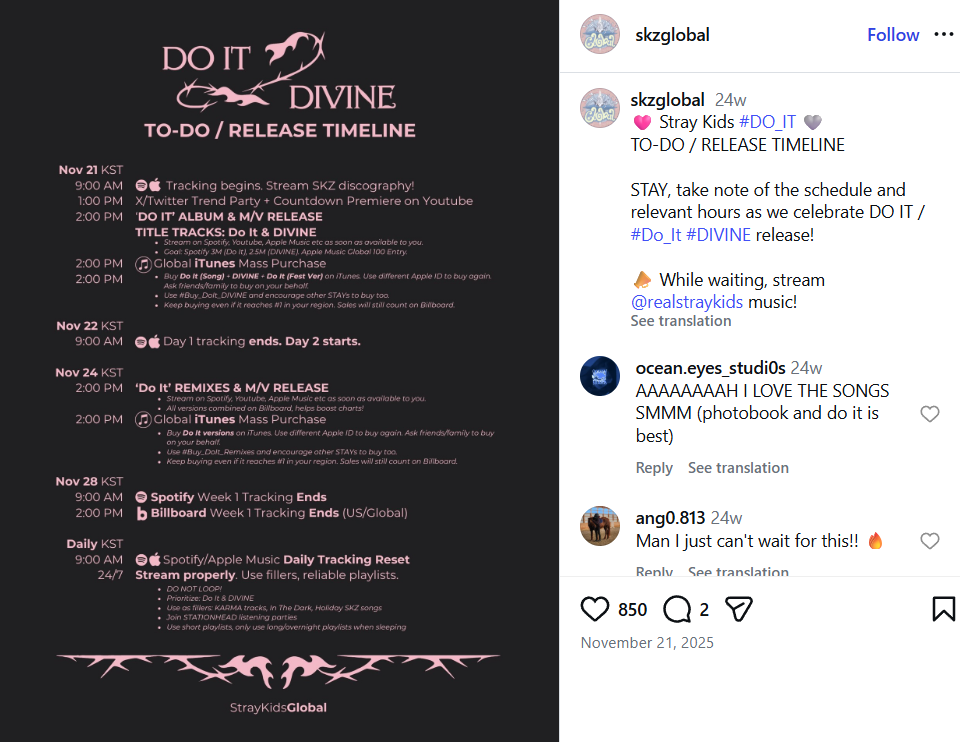
This creates a community that functions almost like a decentralized marketing force. From boosting visibility to defending the group’s reputation, STAY operates with a strong sense of collective purpose. The result is not just engagement, but mobilization—where fans actively contribute to the group’s growth and narrative in a sustained, strategic way.
Next, let’s take a look at how the Indonesian Swifties (Taylor Swift’s fans) represent a very different model of community — one that thrives strongly offline. Swifties are widely known for organizing their own real-world experiences, from karaoke nights to listening events and watch parties. These gatherings can be so massive, that they often attract even third party brand sponsorships.
Examples:
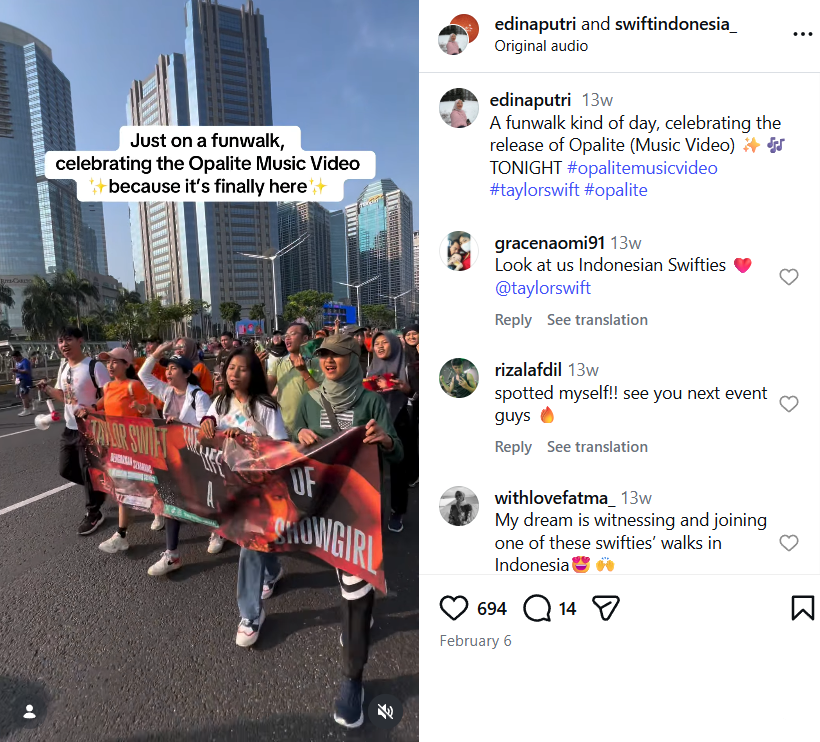
What makes this particularly powerful is that the community does not rely solely on the artist’s (or even label’s) direct activation. Instead, fans independently engage with each other and with the artist’s music. This transforms fandom from passive consumption into shared lived experience, reinforcing emotional attachment, camaraderie and long-term loyalty.
Finally, let’s take a look at a community that is extremely active digitally. bbno$ has cultivated a community that behaves less like a traditional fanbase and more like a creative ecosystem. Across online platforms, his fans regularly create artworks, edits, and even full animation memes using his music. This spills over to the broader creator community, incentivising non-fans creators to also create contents about bbno$ for engagement. In some cases, this relationship goes further into collaboration, with bbno$ directly incorporating fan-made work into official releases, such as music videos built from multiple fan animators.
From a marketing perspective, this creates a self-sustaining content loop: the artist fuels the community, and the community fuels the artist.
Social media platforms are constantly generating trends and micro-trends. Participating in these moments can sometimes lead to rapid engagement and visibility.
However, riding trends isn’t always easy. Record labels may hesitate to promote trends that involve music from other labels. Artists may also feel that “happening” trends conflict with their artist DNA.
The key challenge is, therefore, to identify the ones that naturally align with the artist’s DNA, as well as allowing us to market the artist’s songs. For this reason, any trend that is tied to another song is not an option.
One practical technique to track trends is by intentionally shaping your social media algorithm. Create a fresh social media account for research, and do the following:
Over time, the algorithm becomes a useful window into trends within your specific ecosystem. From my experience, this is more effective than doing any active scanning.
Keep in mind that while this is a very cost-effective way to get engagements, riding trends won’t usually make the
Collaboration remains one of the most effective ways to expand an artist’s reach.
Artists can collaborate with fellow musicians or digital creators, allowing both sides to introduce their audiences to something new.
Fans rarely limit themselves to a single favorite artist. In fact, most listeners enjoy discovering multiple artists within the same cultural space. Some contend that collaboration might risk your audience getting “stolen” by the collaborator. But ask yourself: do you listen to only one artist’s music?
Collaborations with media outlets can also be valuable. Podcasts, radio shows, digital magazines, and cultural platforms are constantly searching for stories to share. Just like artists, there are many developing media outlets out there, constantly searching for hidden gems and stories to stand out amongst the rest. When artists can offer a compelling narrative, the media will be interested.
In many cases, the most effective promotion isn’t about pushing content harder, rather, it’s about giving people something worth talking about.
Let’s take a look at a few examples of collaborations:
Artist x artist / public figure
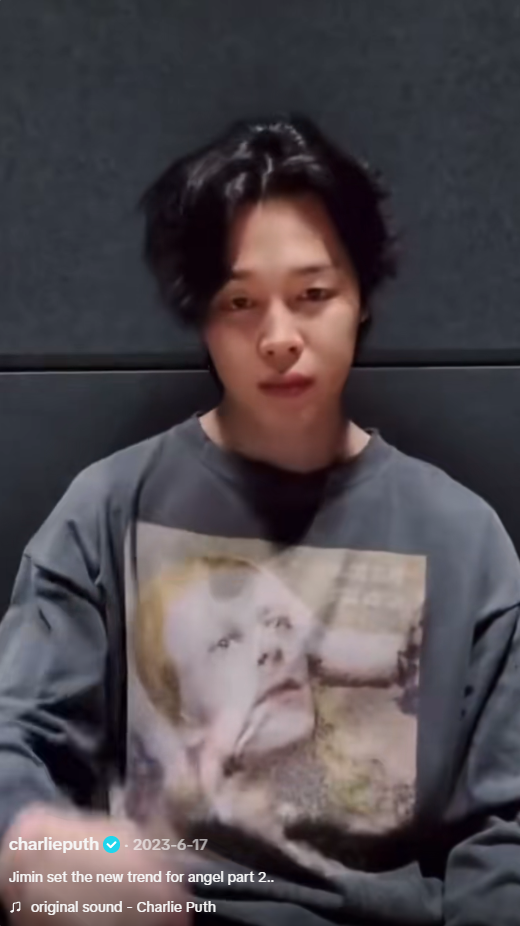
Charlie Puth collaborating with Jimin (BTS) shows how artist-to-artist content can feel casual yet impactful. The interaction is simple and native to TikTok, but the combined fanbases amplify reach instantly. This casual, organic-feel short video collaboration on social media is called a “duet”.
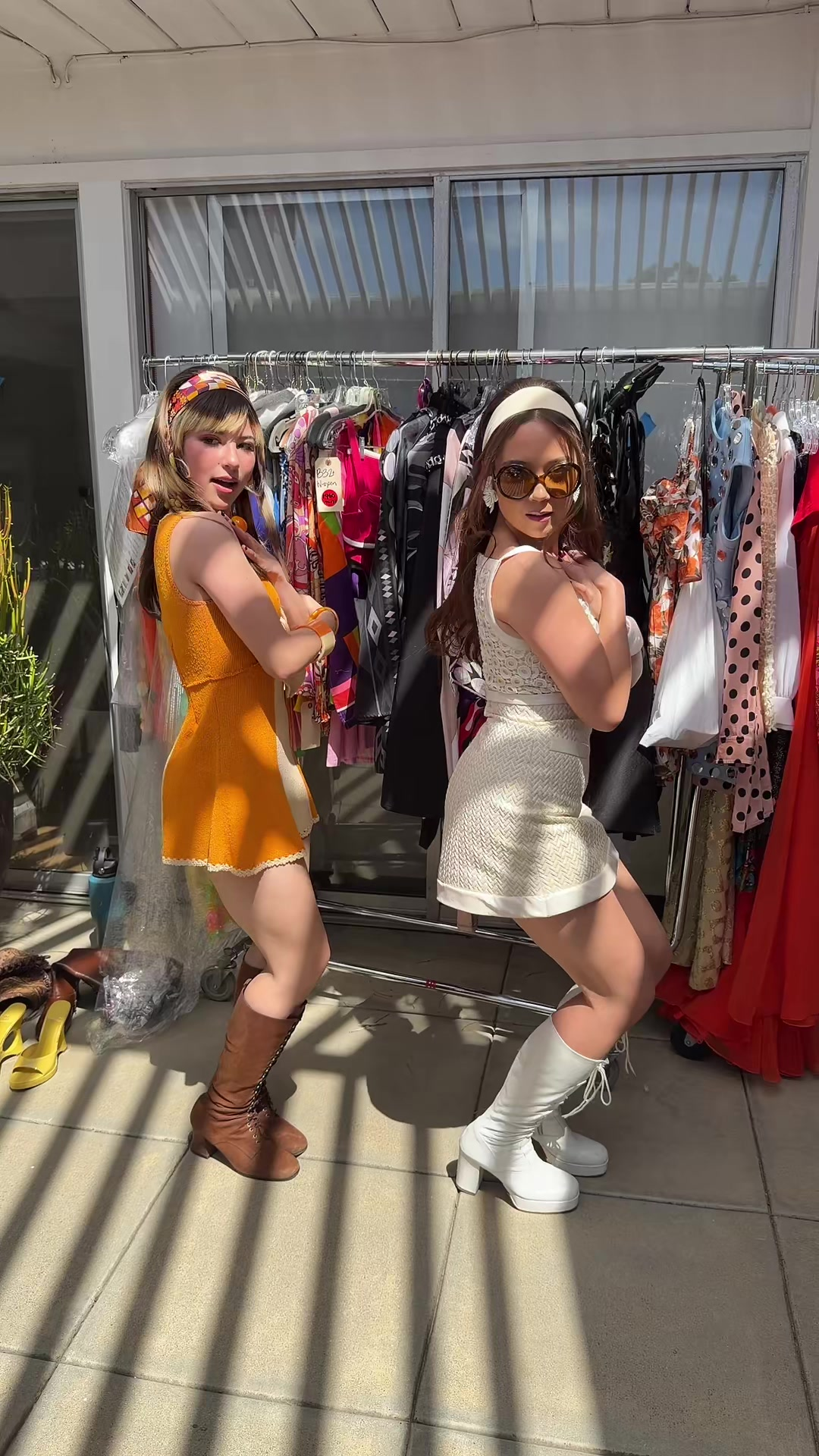
Laufey collaborating with Alysa Liu shows how cross-industry virality can be leveraged. By tapping into a trending cultural moment, the collaboration feels timely and expands reach beyond her core music audience.
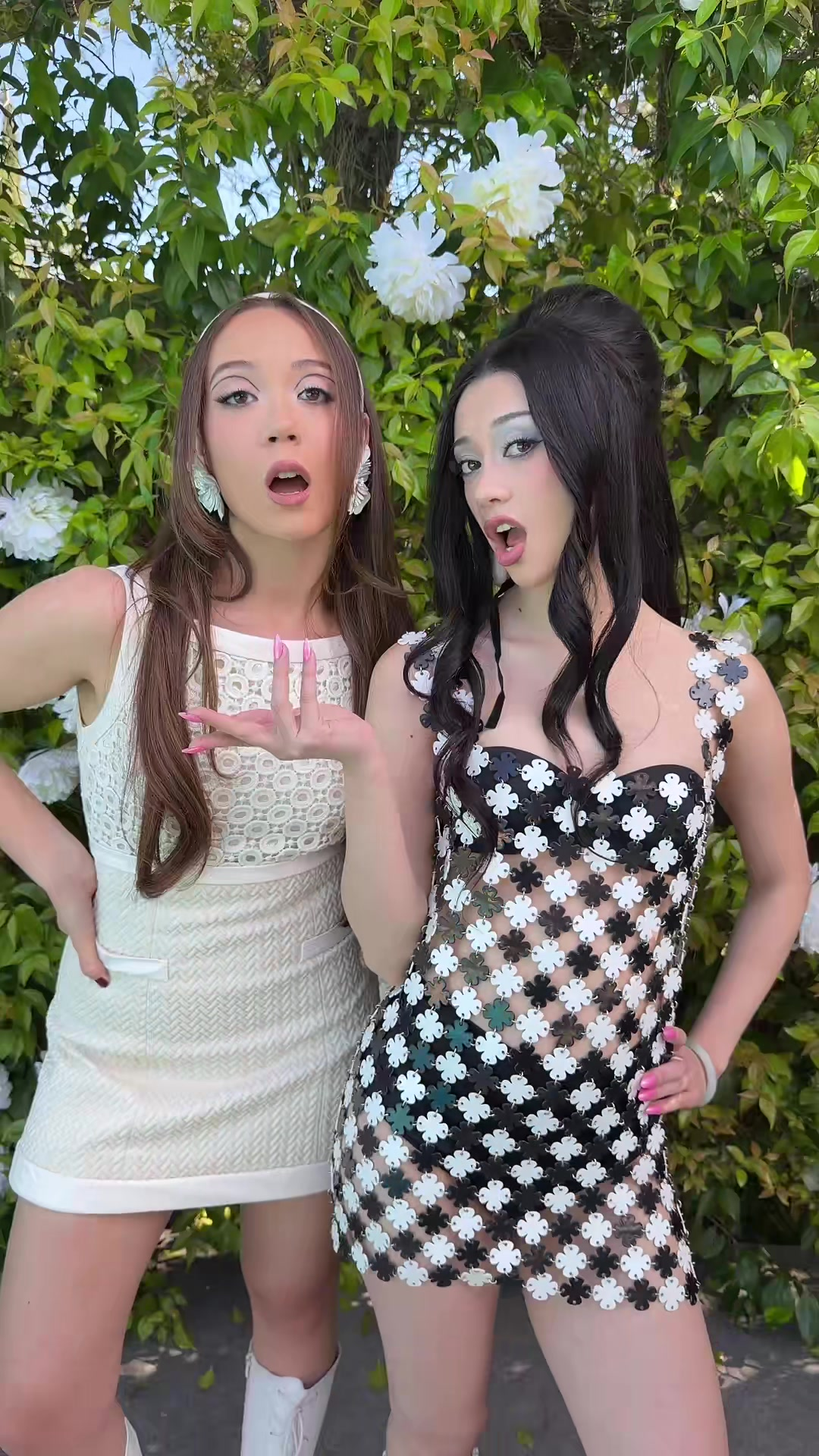
Laufey’s collaboration with Megan (KATSEYE) further reinforces a strategy of peer-to-peer creator alignment. By working with emerging, culturally relevant figures, the content stays fresh while maintaining consistency with her brand identity. It’s important that arguably, they both still occupy the same “space” online.
Artist x Fans
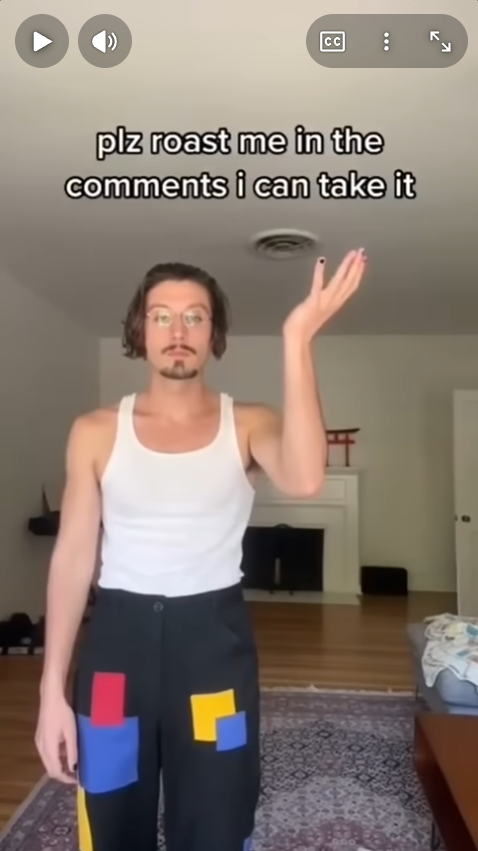
Taking another example from bbno$, his duet directly with a fan highlights a more community-driven approach. By inviting fan content creation and interacting with them, the artist blurs the line between audience and collaborator, strengthening engagement and loyalty.
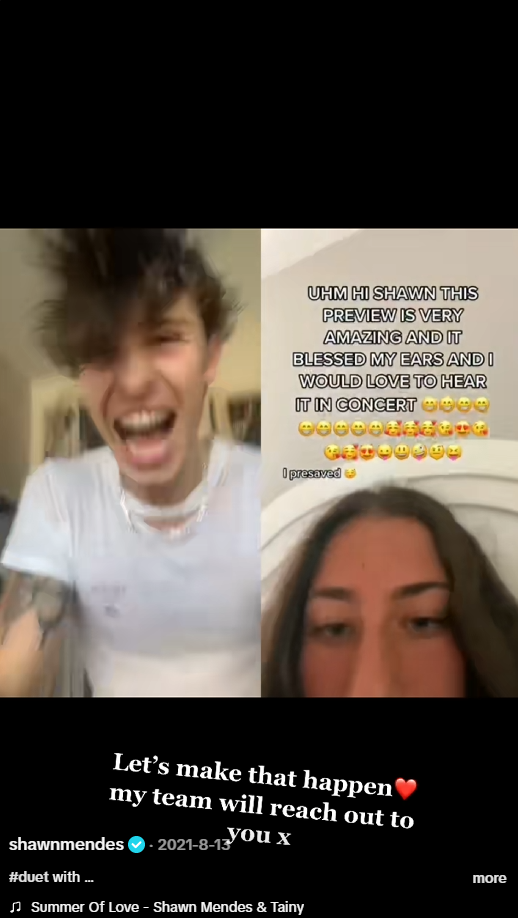
Shawn Mendes engaging with a fan’s content demonstrates how even a simple acknowledgment can scale. By interacting directly, he transforms a single fan moment into widely shared content, reinforcing accessibility and connection.
Digital Media
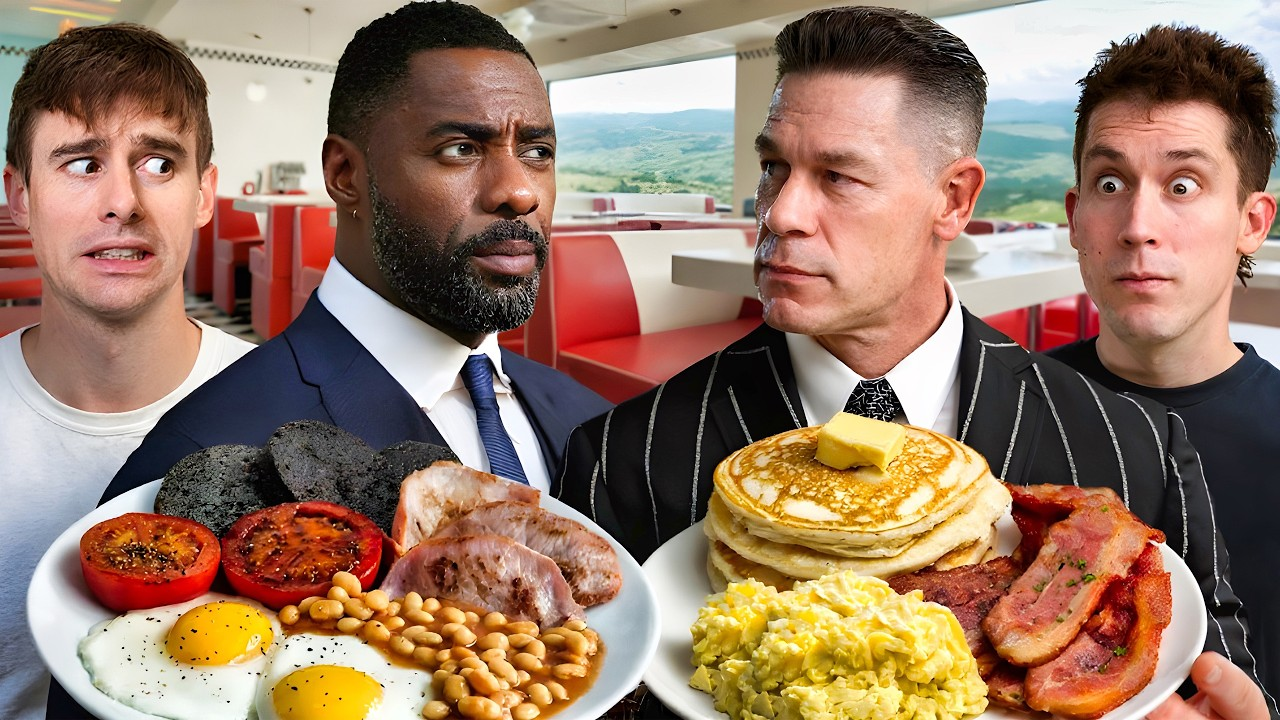
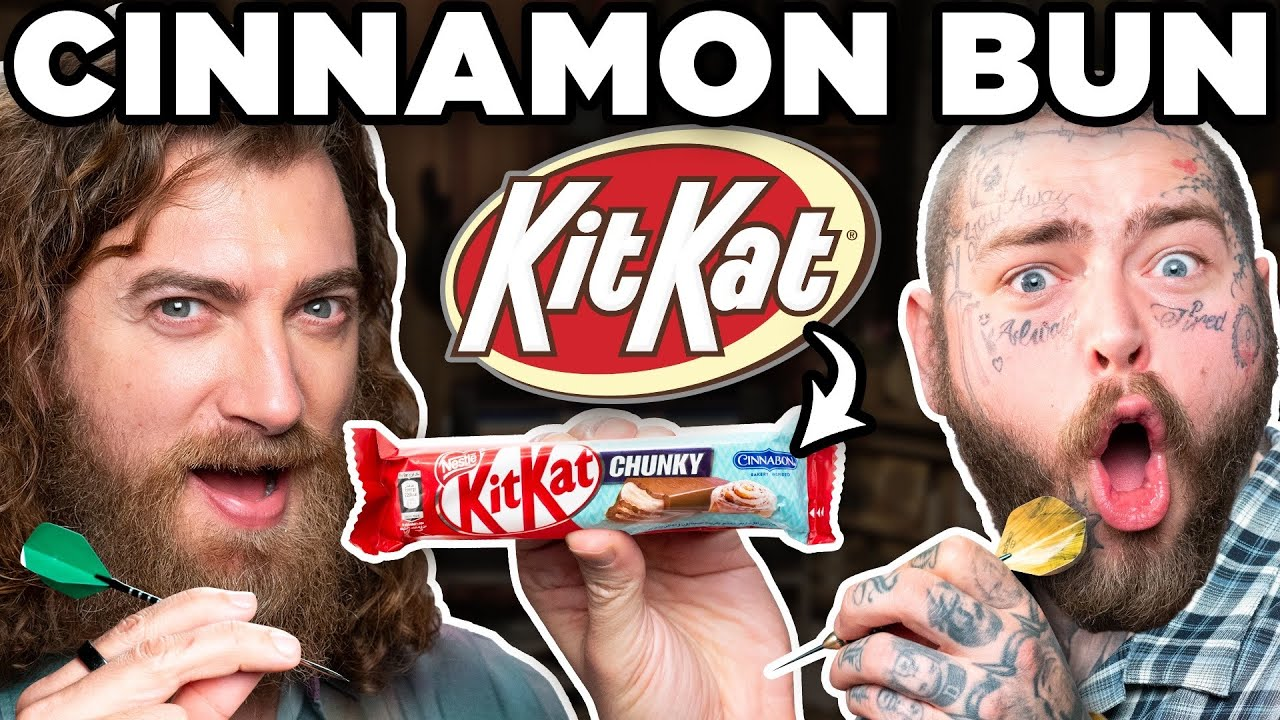
The appearance of John Cena and Idris Elba on JOLLY, as well as Post Malone on Good Mythical Morning, reflects the shift toward digital-native media collaborations. These appearances tap into established online audiences, blending entertainment and promotion in a way that feels fresh compared to traditional press.
Marketing doesn’t end once a release cycle concludes. The period after a campaign often provides the most valuable insights. Remember: strategize, execute, review.
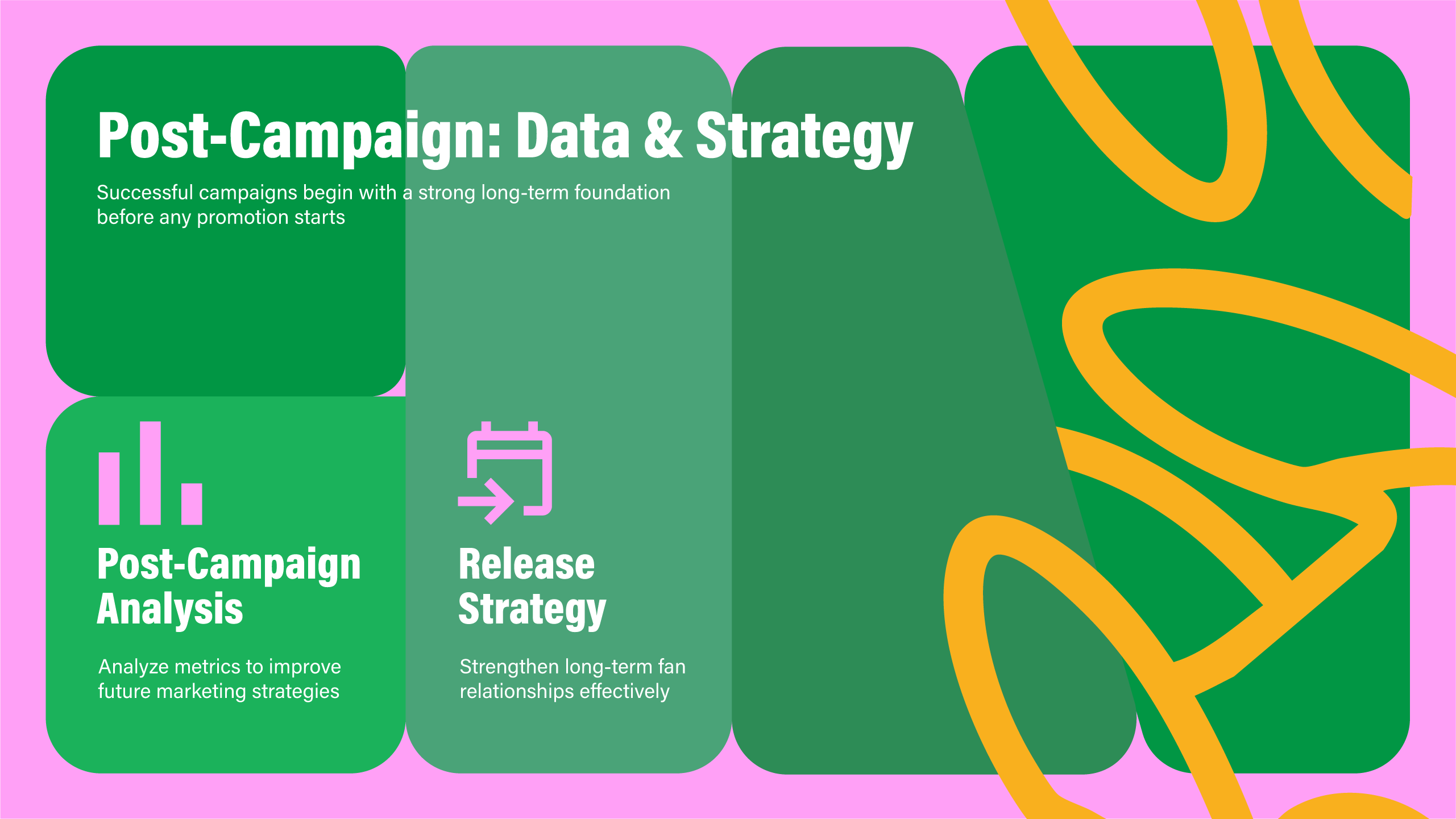
Artists today have access to more data than ever before.
Platforms such as Spotify offer data (Spotify for Artists), and social media platforms offer analytic dashboards, complete with insights into audience behavior, demographics, and engagement patterns. Third party platforms such as Chartmetrics and Luminate can also provide comprehensive data gathered from across social media and digital service providers.
Analyzing this data doesn’t require complex analysis. Even simple observations, such as identifying which content resonates most strongly by roughly measuring the like:view ratio, can guide future decisions.
Another key insight to gather for music is where the streams are coming from. Did a popular content creator use the artist’s music? Did a DSP put the artist’s music on top of their editorial playlist? How do these impact the streams in the short and long term? Can we easily replicate this again?
Over time, these insights help refine future marketing strategies and strengthen our understanding of the audience.
Finally, release strategy plays a crucial role in maintaining an artist’s momentum. This already extends beyond “marketing”, but a brief discussion of this topic might be useful.
Releasing music frequently may seem attractive in the streaming era, but I’d argue that consistency is more important.
Regular releases help maintain engagement with fans. When audiences know that new music will continue to arrive, they have a stronger reason to stay connected.
Ultimately, artists want listeners to feel that following them is worthwhile, that the journey will continue to reward their attention.
This article is written from my experience working across music marketing, and recently, PR at Geezerbuild, where I currently work as a Music PR Manager. We work closely with artists and labels to develop tailored promotional strategies; from campaign planning, media outreach, to digital and offline execution.
If you’re an artist looking to grow your audience or promote your music, feel free to reach out! We are always open to exploring how we can support your next release.
Contacts
Wilson Wijaya
Music PR Manager
wilson@geezerbuild.com
xx

.png)

.png)

.png)
.png)


.png)
%20-%20SALASA%20GOLDEN%20CHILD%20TOUR%202024%20(3)%20(1).png)
%20-%20Dios%20Gasoline%20Tour%202024%20(1).png)
%20-%20Aiko%20-%20social%20media%20advertising%20(1).png)
.jpg)
%20(1)-min.jpg)
%20(3)%20(1)-min.jpg)
%20(2)-min.jpg)
%20(1).png)
.png)
-min.jpg)
.png)


-min.jpg)


.png)




%20-%20Orisaka%20Yuuta%20Spell%20Tour%202024%20(1).png)


